

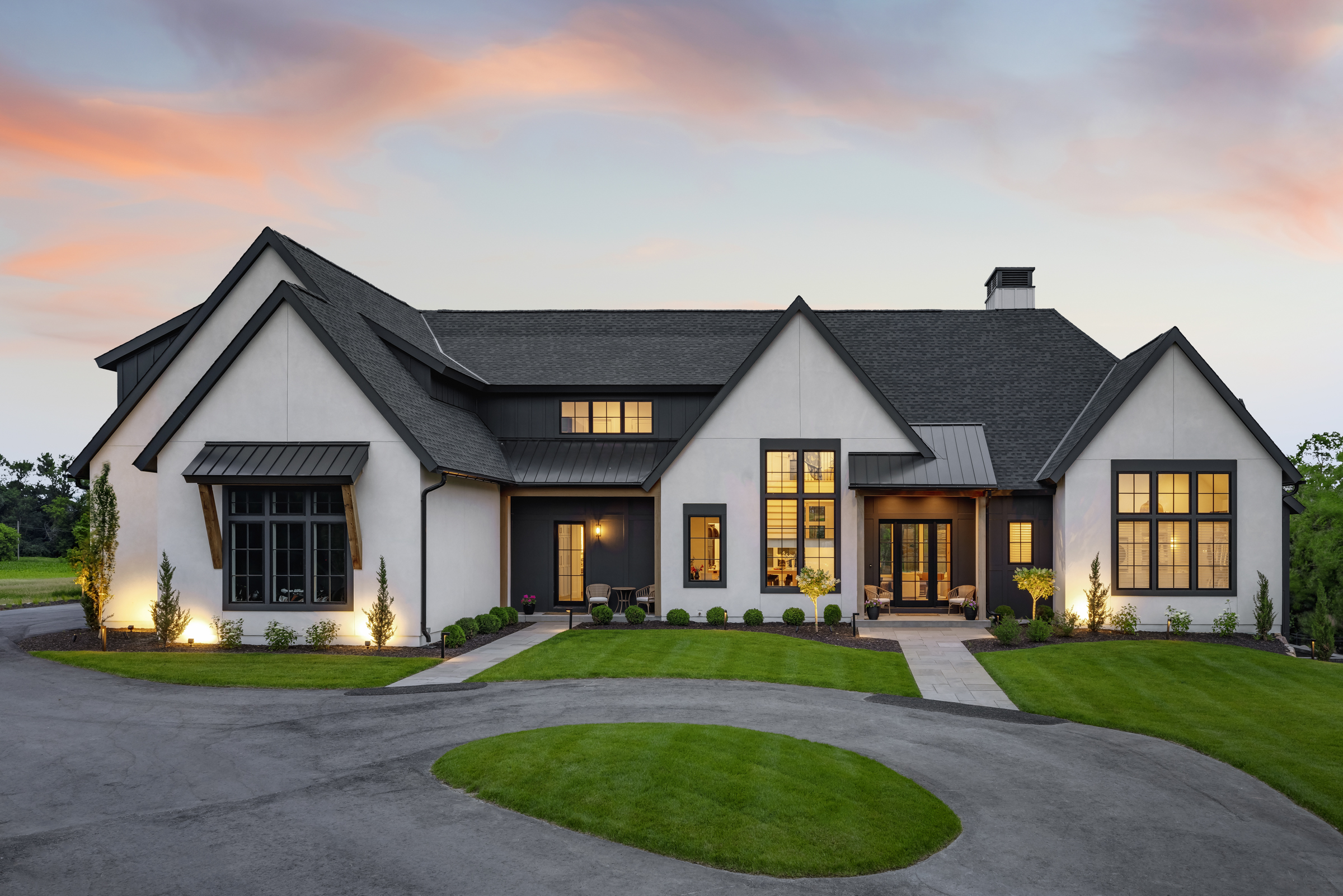
Timeless Trends: What Does the Modern Farmhouse Style Still Teach Us Today?
The best design doesn’t chase trends, it understands what makes them last.
Walk through any Minnesota neighborhood built in the last decade, and you’ll see them everywhere: homes with shiplap walls, barn doors, and carefully curated gray-and-white palettes. The Modern Farmhouse aesthetic swept through American residential design like a prairie wind, promising a blend of rustic warmth and contemporary simplicity that would never go out of style.
Here’s the paradox: Modern Farmhouse was supposed to be timeless. And in a way, it is. Just not in the way most people built it.
The Rise, the Reckoning, and the Renaissance
When Joanna Gaines popularized shiplap on Fixer Upper, she sparked a design movement that would dominate American homes for over a decade. Search interest for “modern farmhouse” surged by seven percent year-over-year through 2024, with over 2.3 million social media posts tagged with the aesthetic. But something interesting happened along the way. The style that was meant to blend rustic warmth with contemporary simplicity became a formula. A checklist. Live, Laugh, Love signs. Buffalo check everything. Distressed wood that was never actually old.
By 2025, ninety-two percent of designers surveyed believe modern farmhouse is on its way out, yet the homes that truly understood what made the style work? They’re aging beautifully. The difference isn’t in the barn door itself, it’s in understanding why the barn door mattered in the first place.
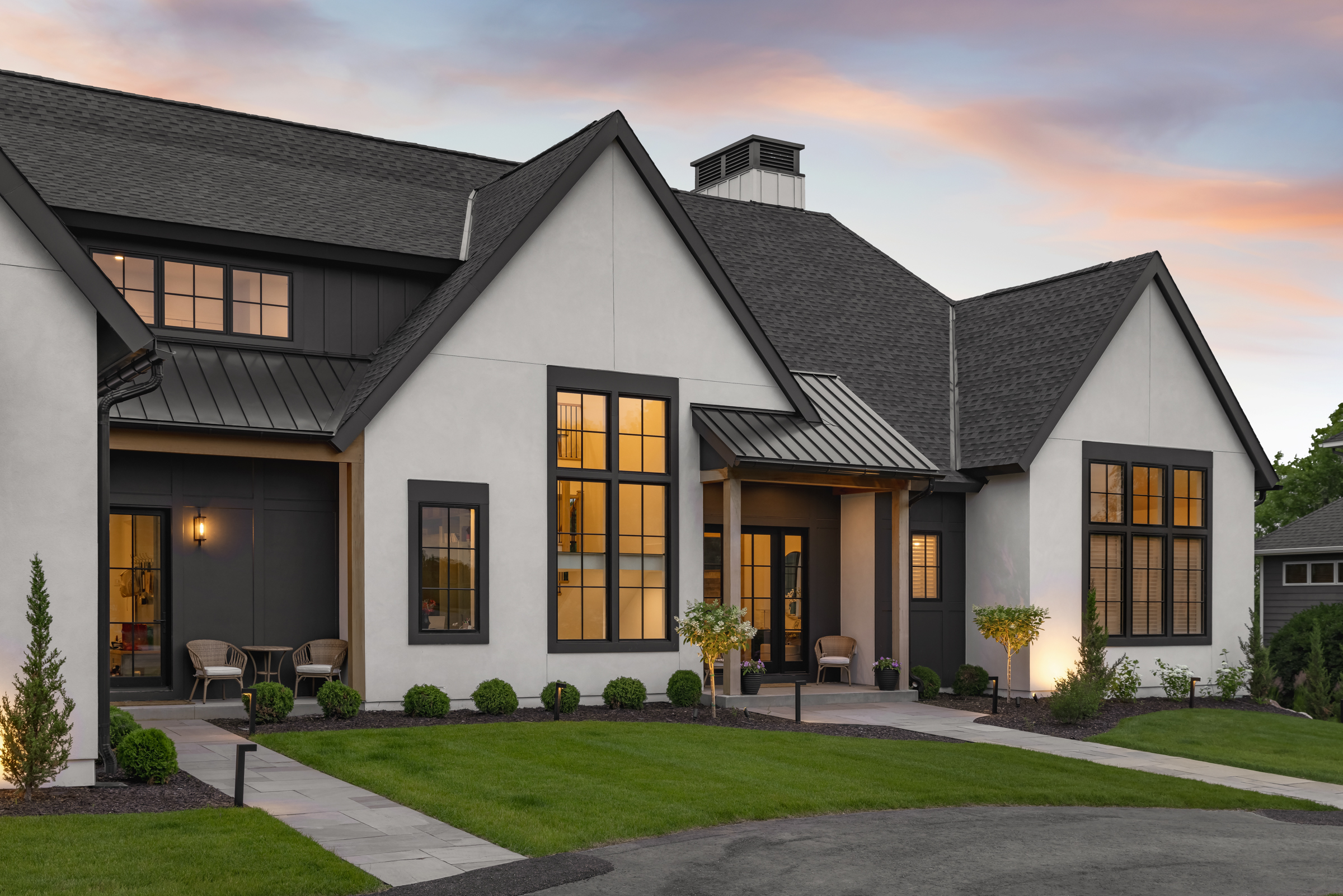
The Four Lessons That Outlast the Trend
1. Honest Materials Tell Better Stories
The original farmhouses weren’t designed, they evolved. Wood was wood because trees were plentiful. Stone was stone because it was dug from the ground nearby. There was an authenticity to every material choice born not from aesthetic preference but from necessity and place.
Timeless design has a strong sense of place reflected in its geometry, material usage, historical context, and connection to its surrounding landscape. In Minnesota, this means understanding our relationship with materials that can handle our extreme temperature swings, our brutal freeze-thaw cycles, our summer humidity. When we specify reclaimed white oak flooring for custom homes throughout the Twin Cities area, it’s not just because it photographs well, it’s because oak has been the workhorse hardwood of the Upper Midwest for generations, and properly finished, it will outlast the mortgage.
The shift now is toward authentic aged furniture rather than manufactured distress. Real craftsmanship, real materials, real aging. The modern lesson? Stop trying to fake authenticity. Invest in the genuine article, and let time do what time does best.
2. Function Shapes Form (Not the Other Way Around)
The farmhouse sink wasn’t designed to be charming, it was designed to wash vegetables from the garden and bathe children before indoor plumbing made bathtubs standard. The deep basin and front apron existed because function demanded them. The beauty was incidental.
A building must first and foremost serve its intended purpose effectively, including considerations of internal layout, space usage, ergonomics, and light quality. This is where so many Modern Farmhouse interpretations failed. They installed the farmhouse sink without considering whether the homeowners actually needed that depth or whether it created ergonomic issues for daily use. They added barn doors without asking whether a pocket door would serve the space better.
In our custom homes and remodels, we’ve learned to ask: what is the functional ancestor of this feature? Open floor plans weren’t invented by HGTV, they emerged from great rooms where families actually gathered because heating individual rooms was expensive. When clients request open concepts, we honor that history by creating defined zones within open space. The kitchen flows into the living area, yes, but there’s intentional differentiation through ceiling treatments, flooring transitions, or strategic furniture placement.
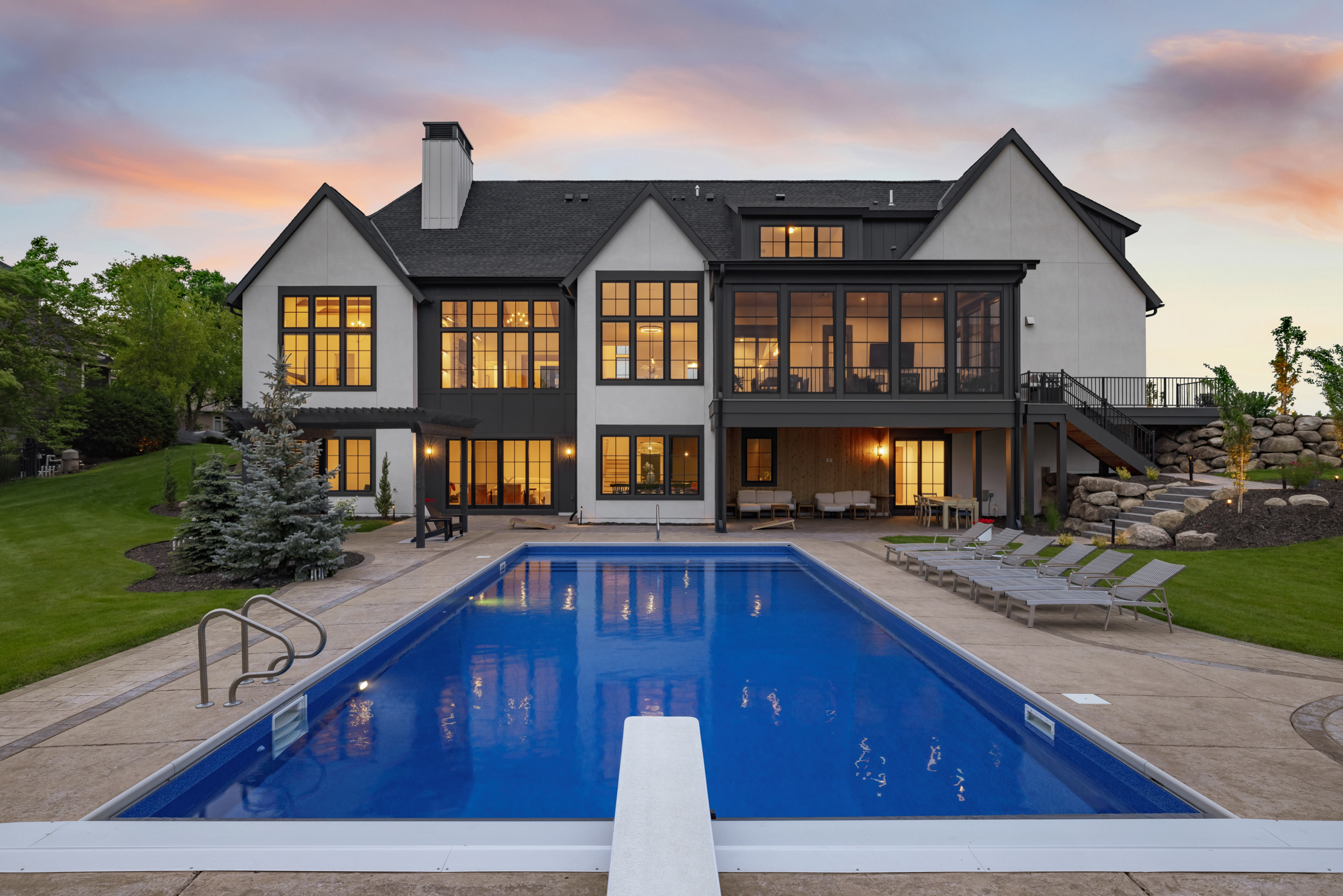
3. Light Is the Luxury That Never Depreciates
Walk into a true Midwestern farmhouse, and you’ll notice windows. Lots of them. Not for aesthetics though the aesthetics followed, but because electric lighting was expensive or nonexistent, and natural light was free. In 2025, windows are more important than ever in modern farmhouse design, influencing lighting, airflow, and defining a home’s style and energy performance.
Minnesota’s latitude means we experience dramatic seasonal light variations. December daylight is precious, rationed. July evenings seem to last forever. Smart farmhouse design has always respected this. Large windows, yes, but positioned strategically. South-facing for winter warmth and vitamin D. East-facing for morning light in kitchens. North-facing for artist studios or home offices where consistent, indirect light matters.
Modern energy-efficient windows have given us the technology to maximize glass without sacrificing thermal performance. But the principle remains timeless: design around light first, and everything else will follow.
Natural Light & Home Value
Homes with abundant natural light sell faster and command higher prices. Studies show that proper window placement and sizing can increase perceived home value by 10-15% while reducing energy costs through passive solar design.
4. Simplicity Is Sophisticated (When It’s Intentional)
Timeless architecture often has clarity of form and layout, as complexity for its own sake can quickly become dated, but a well-considered, simple design can remain fresh and appealing. The best Modern Farmhouse homes understood this viscerally. Clean lines. Uncluttered spaces. But simple doesn’t mean simplistic.
The discipline of simplicity requires making hard choices. It means saying no to the decorative corbels that add visual noise. It means resisting the urge to add “character” through artificial means. It means trusting that good proportions, quality materials, and thoughtful details will carry the design without needing embellishment.
This is perhaps the hardest lesson for homeowners to embrace because our consumer culture constantly tells us that more is more. But in architecture, restraint is power.

The Evolution: What’s Next?
The new farmhouse style exudes elegance and warmth, with a palette of warm neutral colors like beige and taupe, and rich dark browns and greens appearing in updated versions. The stark whites are softening. Trend forecasters predict a gradual shift toward “organic modern”, a blend of modern farmhouse’s raw materials with more eco-focused, biophilic design.
In our recent projects throughout Minnesota, we’re seeing this evolution firsthand. Instead of all-white kitchens, clients are requesting warmed neutrals, Benjamin Moore’s Edgecomb Gray, Sherwin Williams’ Accessible Beige. Instead of painted everything, they’re embracing natural wood tones again, but with contemporary finishes that feel refined rather than rustic.
The barn doors are being replaced by cleaner pocket doors or well-detailed swing doors with architectural hardware. The shiplap is giving way to limewash plaster or board-and-batten wainscoting with more sophisticated proportions. The aesthetic is evolving, but the underlying principles, honest materials, functional design, generous light, intentional simplicity, remain constant.
The Design Evolution
By 2025, 92% of designers surveyed believe modern farmhouse is transitioning, yet homes built on timeless principles continue to appreciate. The shift isn’t away from quality, it’s toward more authentic, personalized interpretations of classic design fundamentals.
Building for Tomorrow, Learning from Yesterday
At Stonewood and Revision, we’ve watched design trends come and go over the years. We’ve seen clients fall in love with magazine spreads only to regret the choices five years later. But we’ve also seen homes that get better with age, that feel right not because they follow a trend but because they understand timeless principles.
The Modern Farmhouse movement, for all its excesses and eventual exhaustion, taught us something valuable. It reminded a generation of homeowners that homes should feel warm, not sterile. That natural materials have inherent beauty. That spaces should be functional before they’re fashionable. That good design connects us to our landscape, our climate, our history.
These aren’t “farmhouse” principles. They’re architectural fundamentals that have guided thoughtful building for centuries. The farmhouse style just happened to be the vehicle that brought them back into popular consciousness.
The homes we’re crafting today for Minnesota families don’t look like the Modern Farmhouse of 2016. They’re warmer, more sophisticated, more personal. But they’re built on the same bedrock truths: use materials honestly, design for how you actually live, maximize natural light, and trust that simplicity executed with excellence will always outlast complexity chasing trends.
Because here’s what we’ve learned after decades of building custom homes and remodeling existing ones: the best design doesn’t try to be timeless. It simply understands and respects what makes certain principles endure.
Ready to Build Something That Lasts?
Whether you’re envisioning a new custom home that honors timeless design principles or renovating your current home to better reflect how you actually live, Stonewood and Revision bring decades of experience to every project. We’ve mastered the art of blending what works, proven architectural fundamentals, quality craftsmanship, honest materials with what’s new: modern technology, contemporary aesthetics, and innovative solutions for Minnesota living.
Let’s talk about your project. Not about following trends, but about creating a home that will still feel right in ten, twenty, fifty years. A home that respects its place on the landscape, serves your family’s needs, and gets better with time.
Contact Stonewood Custom Home Builder for new construction projects, or Revision by Stonewood for transformative remodeling work that brings new life to your existing home.
Start Your Journey