

Crafting for Mental Health: How Room Layout and Light Affect Daily Wellbeing
Building homes that support emotional wellness through thoughtful construction
The Architecture of Wellbeing
Your home profoundly affects your mental health, shaping mood, stress levels, and emotional resilience through countless subtle interactions every day. The amount of natural light reaching your workspace influences circadian rhythms and energy levels. The ceiling height in your bedroom impacts sleep quality and morning disposition. The view from your kitchen window affects stress recovery during daily tasks. These aren’t abstract concepts, they’re measurable physiological responses to architectural decisions made during home construction.
At Stonewood Custom Homes, we’ve witnessed how thoughtful construction transforms daily wellbeing. Clients report sleeping better in bedrooms with eastern light exposure and proper window placement. Families describe reduced anxiety in homes with clear sight lines and intuitive traffic patterns. Homeowners speak of improved focus in home offices built with daylight optimization and acoustic control. These outcomes aren’t coincidental, they’re the result of building practices that prioritize human wellness alongside aesthetic appeal and structural integrity.
Natural Light: The Foundation of Emotional Wellness
Light governs human biology more powerfully than any other environmental factor. Your circadian rhythm, the internal clock regulating sleep, hormone production, and countless physiological processes, depends primarily on light exposure patterns throughout the day. Homes flooded with natural light during morning hours support healthy cortisol awakening response, the hormonal surge that energizes you for the day. Evening spaces shielded from harsh western sun allow melatonin production to begin naturally as darkness approaches.
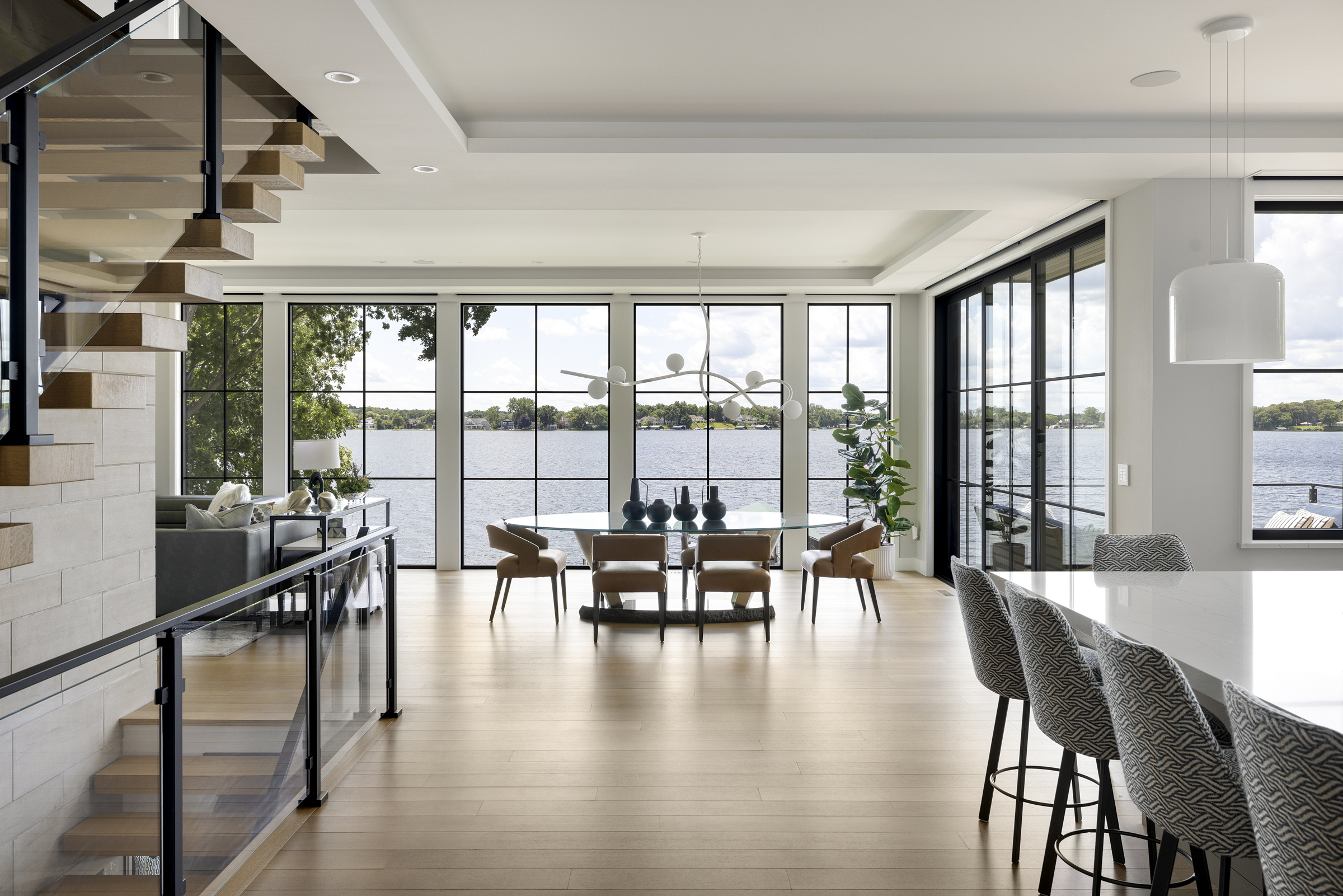
Stonewood approaches window placement as a health intervention, not just an aesthetic choice. South-facing windows provide consistent natural illumination without the harsh glare of east or west exposures. Skylights introduce overhead natural light into interior spaces that would otherwise rely on artificial lighting during daytime hours. Clerestory windows high on walls deliver privacy while maximizing daylight penetration. These strategies, integrated during initial planning phases, create homes where natural light supports mental health rather than fighting against it.
The quality of natural light matters as much as quantity. Large windows facing monotonous views, parking lots, neighboring walls, provide illumination without the psychological benefits of visual connection to nature. Stonewood carefully considers what windows frame, prioritizing views of trees, gardens, sky, and landscape features that deliver both light and visual restoration. This dual function transforms windows from simple openings into wellness features that actively support mental health throughout each day.
Circadian Alignment
Strategic window placement supporting natural wake-sleep cycles through morning east light and evening light control.
Nature Views
Carefully framed sight lines to natural elements proven to reduce stress and improve emotional recovery.
Layered Control
Multiple lighting sources at different intensities allowing customization for activities, moods, and times of day.
Construction Elements That Support Mental Health
- Abundant natural light exposure during morning hours
- Views of nature, trees, water, gardens from primary spaces
- Quiet zones separated acoustically from activity areas
- Ceiling heights that feel expansive without overwhelming
- Clear sight lines reducing anxiety and supporting connection
- Intuitive traffic patterns minimizing daily friction points
- Personal retreat spaces for solitude and restoration
- Connection to outdoor spaces for fresh air and daylight
- Natural materials creating calming sensory environments
- Flexible spaces adapting to changing mental health needs
Construction Pitfalls That Harm Wellbeing
- Insufficient natural light creating gloomy environments
- Windows facing walls, parking, or unattractive views
- Open layouts with no acoustic separation or privacy
- Oppressively low ceilings triggering claustrophobic feelings
- Confusing layouts causing daily navigation stress
- No designated quiet spaces for mental restoration
- Complete disconnection from outdoor environments
- Over-stimulating finishes and color schemes
- Harsh lighting without dimming or layering options
- Rigid room functions preventing lifestyle adaptation
Room Layout and Psychological Safety
Humans evolved in environments where visibility and control meant survival. While modern threats differ from predators and hostile tribes, our nervous systems still respond to spatial arrangements that either support or undermine feelings of safety. Room layouts matter psychologically, influencing whether spaces feel secure and comfortable or anxious and exposed. Stonewood builds homes acknowledging these deep-seated human needs rather than dismissing them as irrational preferences.
Prospect and refuge, the ability to see without being seen, remains a powerful psychological driver of spatial comfort. Spaces offering views of room entries while providing protected seating areas feel inherently more relaxing than exposed furniture arrangements in room centers. Stonewood positions seating to command views of doors and windows while backed by walls or alcoves. This ancient survival instinct, satisfied through thoughtful furniture arrangement during construction planning, reduces background anxiety homeowners don’t consciously recognize but definitely experience.
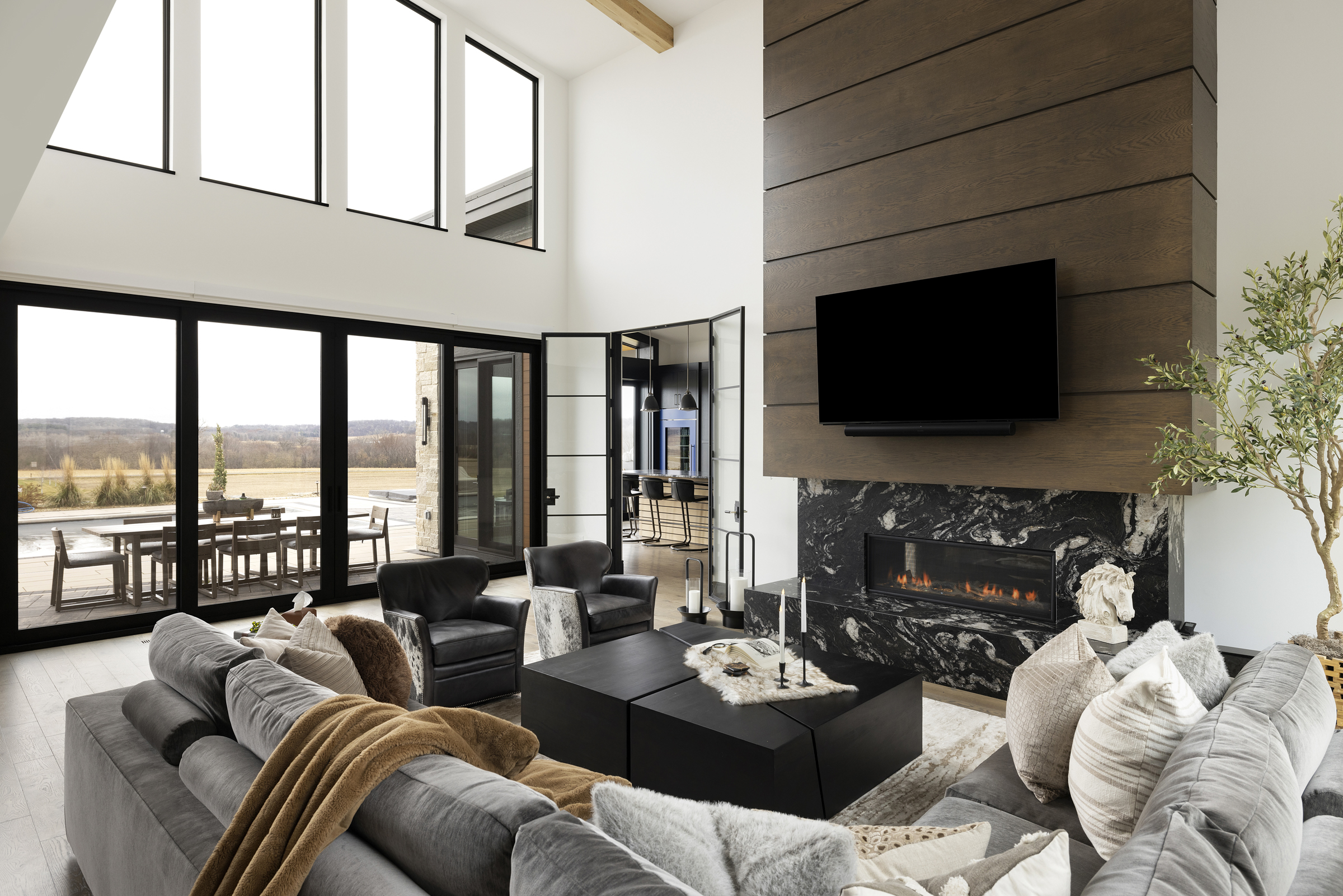
Ceiling heights profoundly affect emotional states. Research demonstrates that high ceilings promote abstract thinking and creativity while lower ceilings encourage focused, detail-oriented work. Stonewood varies ceiling heights strategically, elevating great rooms and creative spaces while keeping bedrooms and offices at more intimate dimensions. This architectural modulation creates homes where different spaces evoke different mental states, supporting varied activities and emotional needs throughout each day.
The Stonewood Sanctuary Principle
Every home should contain at least one space built specifically for mental restoration, a room or alcove where occupants can retreat from stimulation and reconnect with themselves. Whether a reading nook with eastern light, a meditation corner with garden views, or a window seat overlooking natural landscape, these sanctuary spaces serve essential psychological functions. Stonewood constructs these retreat zones into every custom home because mental health demands more than just efficient layouts, it requires intentional spaces supporting emotional wellbeing and personal restoration.
Color, Material, and Sensory Wellness
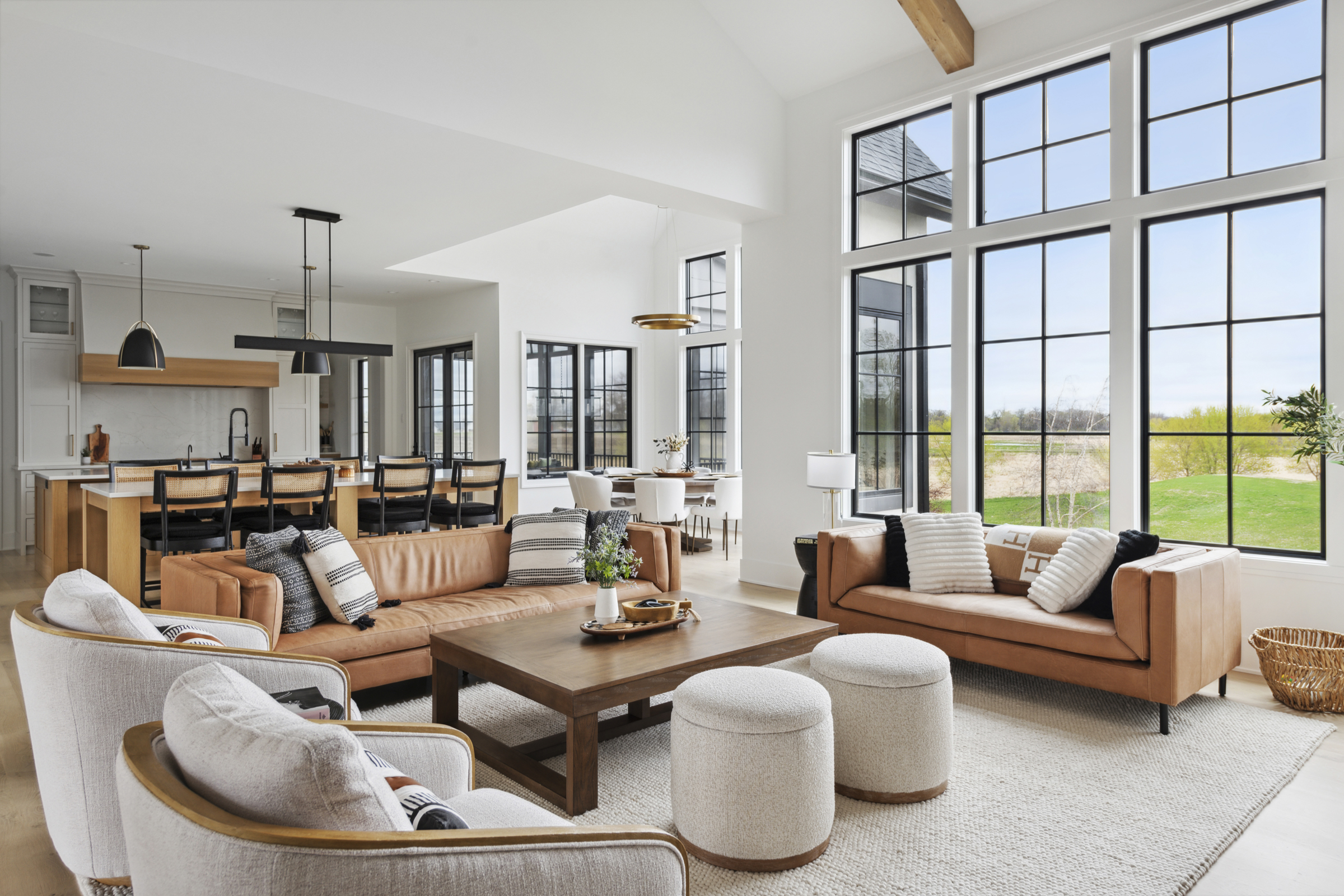
Your home communicates with your nervous system through color, texture, pattern, and material. Cool blues and greens trigger parasympathetic nervous system activation, promoting calm and lowering heart rate. Warm earth tones create feelings of security and groundedness. Natural materials, wood, stone, clay, deliver subtle sensory feedback that synthetic materials cannot replicate. These aren’t decorative preferences, they’re measurable physiological responses that accumulate over years of daily exposure.
Stonewood guides material selection toward finishes that support rather than stress nervous systems. Natural wood tones, varying in grain and color, provide visual complexity that engages attention without overwhelming. Stone and brick introduce organic textures that feel inherently calming. Large-format tiles and simple patterns reduce visual noise that can contribute to sensory fatigue, particularly for individuals with anxiety or sensory processing sensitivities. These choices, made during construction, shape daily emotional experiences for decades.
Pattern density matters more than most homeowners realize. Busy wallpapers, complex tile layouts, and ornate finishes compete for attention, creating low-grade stress through constant visual stimulation. Stonewood favors clean lines, simple geometries, and restrained palettes allowing attention to rest rather than constantly processing visual information. This building restraint isn’t minimalism for aesthetic sake, it’s recognition that mental health benefits from environments that don’t demand constant cognitive processing.
Color Psychology
Strategic color selection supporting desired emotional states in different spaces throughout Stonewood homes.
Natural Materials
Wood, stone, and organic finishes creating sensory environments that calm rather than overstimulate nervous systems.
Biophilic Construction
Integration of natural elements, materials, patterns, and views supporting innate human connection to nature.
Acoustic Construction and Mental Restoration
Sound profoundly affects stress levels and emotional regulation. Chronic noise exposure elevates cortisol, impairs sleep, and increases cardiovascular disease risk. Yet most homes treat acoustic control as afterthought rather than foundational health consideration. Traffic noise penetrating bedrooms disrupts sleep architecture even when not consciously perceived. HVAC systems cycling on and off interrupt concentration during work-from-home hours. Open layouts transmit every kitchen sound into living areas where family members seek quiet.
Stonewood addresses acoustic wellness through construction techniques invisible to finished spaces but crucial for daily wellbeing. Sound-rated drywall assemblies between bedrooms and activity spaces. Acoustic insulation in interior walls separating home offices from household noise. HVAC systems selected for quiet operation and properly installed to minimize vibration transmission. These investments in acoustic control, often the first items value-engineered away by budget-conscious builders, directly impact mental health and stress recovery throughout each day.
Quiet spaces aren’t silent spaces, they’re acoustically controlled environments where desired sounds predominate over unwanted noise. Stonewood creates these environments through strategic room placement, separating bedrooms from garage doors and mechanical equipment. Window selection considers not just views and light but also traffic noise and neighborhood sounds. The goal isn’t sterile silence but rather acoustic environments supporting concentration, conversation, and rest according to each space’s intended use.

We don’t just build houses, we construct environments where mental health can flourish. Every window placement, ceiling height, and material choice either supports or undermines daily wellbeing. That responsibility shapes how Stonewood approaches every custom home.
Connection to Nature: Biophilic Building Principles
Humans evolved in natural environments, and our nervous systems still respond positively to natural elements even in built spaces. Biophilic construction, the integration of nature into architecture, isn’t decorative preference but recognition of fundamental human psychological needs. Views of vegetation lower blood pressure and accelerate healing. Natural materials reduce stress hormones. Even indoor plants improve air quality while providing visual connection to living systems that calm our ancient brains.
Stonewood integrates biophilic principles throughout custom home construction. Large windows frame landscape views, bringing visual nature into daily experience. Indoor-outdoor spaces blur boundaries between home and garden, encouraging regular fresh air exposure proven to enhance mood and cognitive function. Interior courtyards introduce daylight and greenery into home centers. These building strategies recognize that mental health requires more than just functional shelter, it demands connection to natural systems that shaped human psychology over millennia.
Material choices extend biophilic construction beyond views and plants. Wood flooring and ceilings introduce organic patterns and warmth impossible to replicate with synthetic materials. Stone countertops and fireplaces connect interiors to geological time scales that provide perspective on daily stresses. Natural fiber textiles in soft goods create sensory environments fundamentally different from plastic-based alternatives. These material selections, specified during Stonewood’s construction process, create homes that feel alive rather than manufactured, supporting mental health through countless subtle daily interactions.
Stonewood Wellness Construction Features
- Strategic window placement maximizing natural light exposure
- Views of nature from primary living and working spaces
- Ceiling height variations supporting different mental states
- Quiet retreat zones built for mental restoration
- Natural material palettes calming nervous systems
- Acoustic control preventing chronic noise stress
- Indoor-outdoor connections encouraging nature exposure
- Flexible spaces adapting to changing wellness needs
- Intuitive layouts reducing daily navigation anxiety
- Lighting control supporting circadian rhythm health
Mental Health Benefits of Thoughtful Construction
- Improved sleep quality and circadian rhythm regulation
- Reduced anxiety through clear sight lines and layouts
- Enhanced focus and productivity in optimized workspaces
- Faster stress recovery through nature connections
- Better emotional regulation in calming environments
- Increased energy from natural light optimization
- Reduced sensory overload through restrained finishes
- Greater sense of safety and psychological security
- Improved social connection in well-built gathering spaces
- Enhanced overall life satisfaction and daily wellbeing
The Stonewood Approach to Wellness-Centered Construction
Building homes that support mental health requires integrated thinking from initial site evaluation through final finishes. Stonewood’s process begins with understanding not just what clients want aesthetically but how they need spaces to function for emotional wellbeing. We discuss work-from-home stress, sleep challenges, family dynamics, sensory sensitivities, and lifestyle patterns that inform construction decisions as much as square footage and style preferences.
Site orientation drives Stonewood’s wellness-focused building approach. We position living spaces to capture morning eastern light while protecting bedrooms from harsh western sun during summer evenings. Principal rooms face landscape views rather than neighboring structures. Private outdoor spaces connect interior rooms to gardens and natural surroundings. These fundamental site decisions, made before architectural planning begins, establish wellness potential that no amount of interior finishes can later compensate for if missed.
Throughout construction, Stonewood specifies materials and systems supporting long-term wellbeing. Low-VOC finishes prevent off-gassing that affects indoor air quality and respiratory health. Advanced HVAC filtration removes particulates and allergens affecting both physical and mental wellness. Proper moisture control prevents mold growth that can trigger anxiety and depression. These building science considerations, invisible in completed homes, profoundly impact daily health and wellbeing for decades of occupancy.
Why Choose Stonewood for Wellness-Centered Homes
Stonewood Custom Homes has refined wellness-focused building practices through hundreds of Minnesota custom homes, learning how construction decisions affect mental health and daily wellbeing. Our experience with natural light optimization, acoustic control, biophilic building practices, and material selection ensures your home supports emotional wellness as intentionally as it provides shelter. We understand that mental health depends partly on the environments we inhabit daily, and that understanding shapes every Stonewood construction decision from foundation to finish.
Build a Home That Supports Your Mental Wellbeing
Your home should enhance mental health, not undermine it. Stonewood Custom Homes brings decades of Minnesota construction experience to every build, creating spaces where natural light, thoughtful layouts, and wellness-focused building practices support emotional wellbeing and daily happiness.
Look beyond standard construction practices. Partner with Stonewood’s team of experienced builders who understand how room layout, lighting installation, material selection, and acoustic construction affect mental health and daily life satisfaction. From circadian-aligned window placement to biophilic building integration, Stonewood manages every detail that transforms houses into homes supporting human flourishing.
Whether planning new custom home construction or considering renovation with Revision by Stonewood to improve your existing home’s wellness features, your mental health deserves architecture built intentionally to support it. Let Stonewood create living environments where you don’t just survive but genuinely thrive.
Start Your Wellness-Focused Stonewood Project