

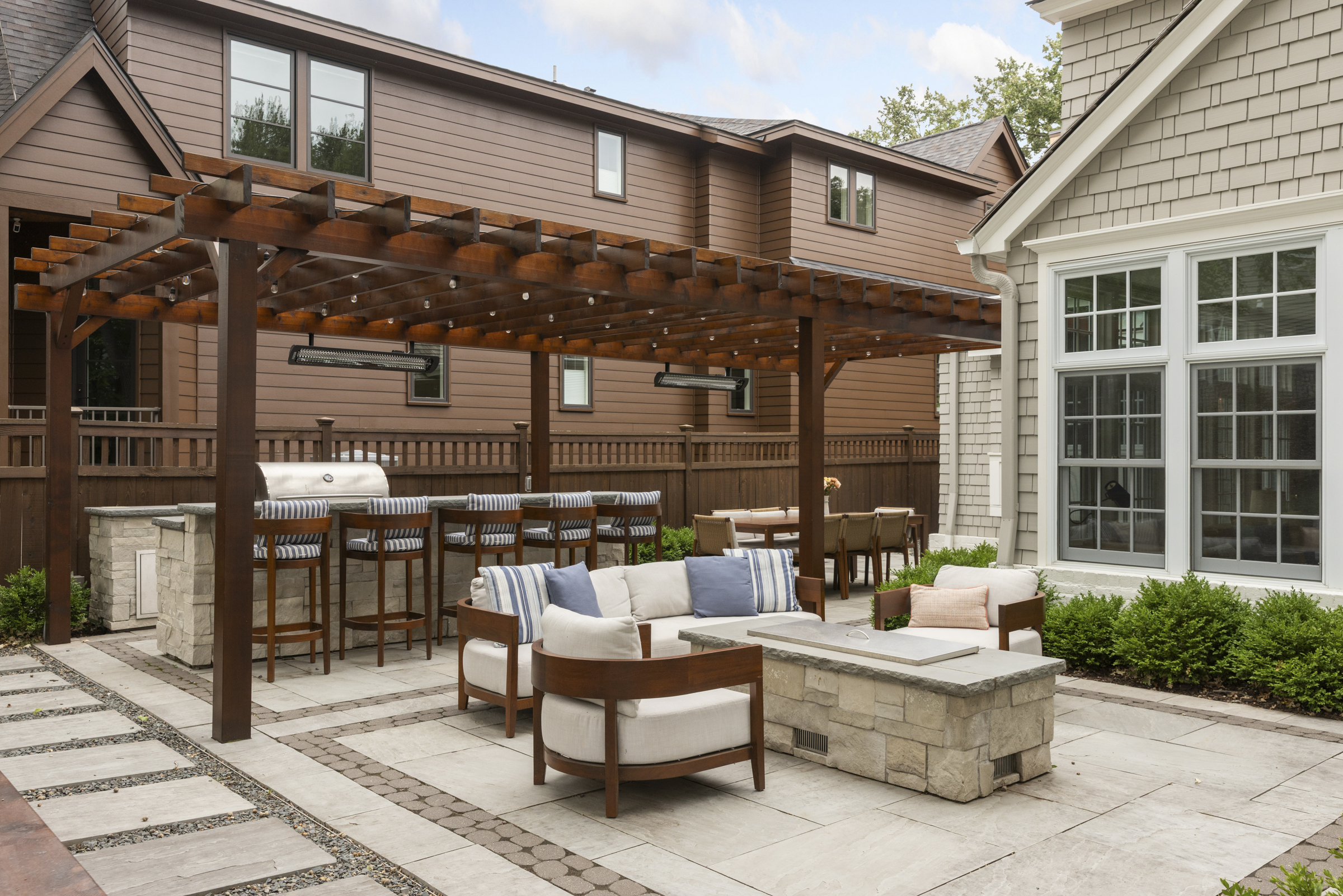
Move Walls, Not Families.
Why the Smartest Remodel Is Often the One That Lets You Stay Exactly Where Your Life Is Already Happening
Almost every remodel begins with a small, private frustration. A kitchen that can’t hold two people at once. A hallway that swallows light instead of sharing it. A primary suite tucked at the end of the house like an afterthought. A mudroom that was never really a mudroom, just a doorway where boots, backpacks, and groceries go to compete for the same square foot of floor. None of these problems is dramatic. Each one, on its own, is easy to tolerate. But frustrations accumulate, and eventually they begin to sound like a single sentence: maybe it’s time to move.
It’s an understandable conclusion, and sometimes it’s the right one. But it is also, far more often than most families realize, the wrong answer to the right question. Because what the family usually wants isn’t a different address. It’s a home that works the way their life actually works. They like the neighborhood. They like the trees. They like the walk to school, the neighbors who know their names, the way the afternoon light settles into the living room in October. What they don’t like is the arrangement of walls someone drew decades ago for a family that wasn’t theirs.
That is the idea behind a simple phrase Revision has come to treat as something close to a creed: move walls, not families. It isn’t a slogan about avoiding real estate agents. It’s a way of looking at a house, and at a family, and asking what is actually fixed and what is simply a decision someone made once that can be made again, better.
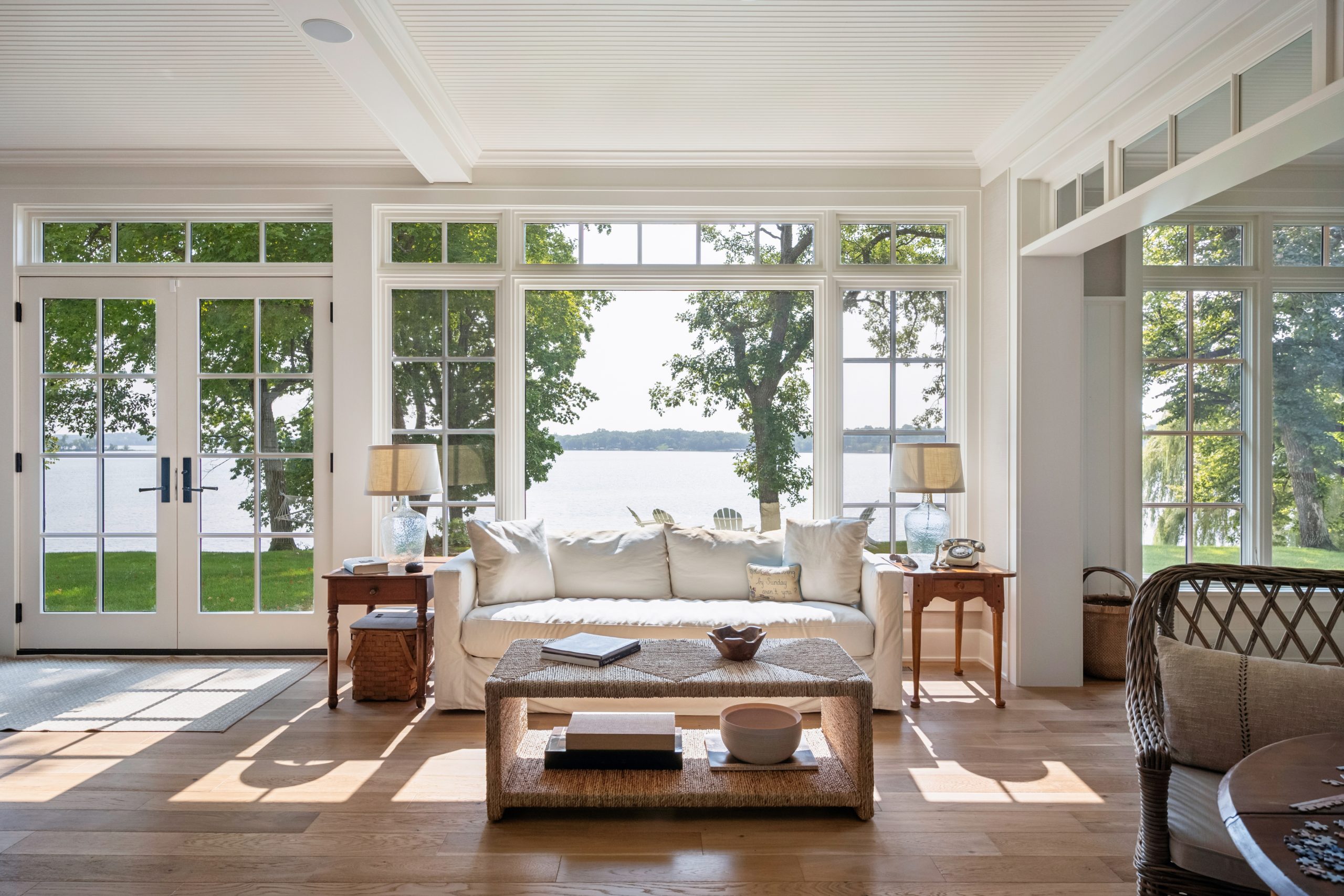
The Instinct to Leave
There is a reason moving feels like the natural response to a house that isn’t working. A move is clean. It promises a fresh start, a complete reset, a version of life in which every problem of the old house simply stays behind. A remodel, by contrast, can feel messy, uncertain, and slow. It asks a family to stay in a place they’re already tired of and trust that it can become something better. In the moment of frustration, the clean break wins the argument almost every time.
What that comparison tends to leave out is everything a move doesn’t fix, and everything it quietly takes away. A new house arrives with its own set of compromises, usually ones that don’t reveal themselves until the boxes are unpacked. The kitchen is bigger but the yard is smaller. The commute is shorter but the school is farther. The layout is newer but the trees are younger, the neighbors are strangers, and the sense of belonging that took years to build has to be started from scratch. The family has solved one problem and traded for three others, at a transaction cost that has nothing to do with the house itself.
A remodel changes the equation. It keeps everything that was working, the location, the community, the lot, the memories in the doorframes, and focuses the investment on the one thing that wasn’t. Revision by Stonewood has spent its time in Twin Cities homes doing exactly that: listening closely to what a family loves about where they live, and then remodeling the rest until the house finally deserves the neighborhood it sits in.
A Wall Is Just a Decision
It helps to think about a wall differently. To most people, a wall feels permanent, an immovable fact of the house, as unchangeable as the foundation or the roofline. But a wall is really a decision. Someone, at some point, decided that a kitchen should be a separate room from the dining room, that a staircase should land where it lands, that a closet should live where a window might have been. Those decisions were often reasonable for the people who made them, in the era they were made. They were also made without any knowledge of the family who would eventually be living there.
When a family says a house doesn’t work, they are usually describing the gap between those old decisions and their present life. The kitchen was planned for a household that ate dinner in a formal dining room and never cooked together. The family room was shaped for a time when the television was the center of the evening. The entry was sized for a coat and a umbrella, not for the logistics of three children, two work schedules, and a dog. None of that is the house’s fault. But all of it can be revisited.
Remodeling is, at its best, the craft of revisiting those decisions with care. It asks which walls are carrying weight, structurally and emotionally, and which are simply in the way. It asks what the house wants to be, what the family needs it to become, and where those two answers meet. When a remodeling team does that work well, the result doesn’t feel like a house that has been altered. It feels like a house that has finally been understood.
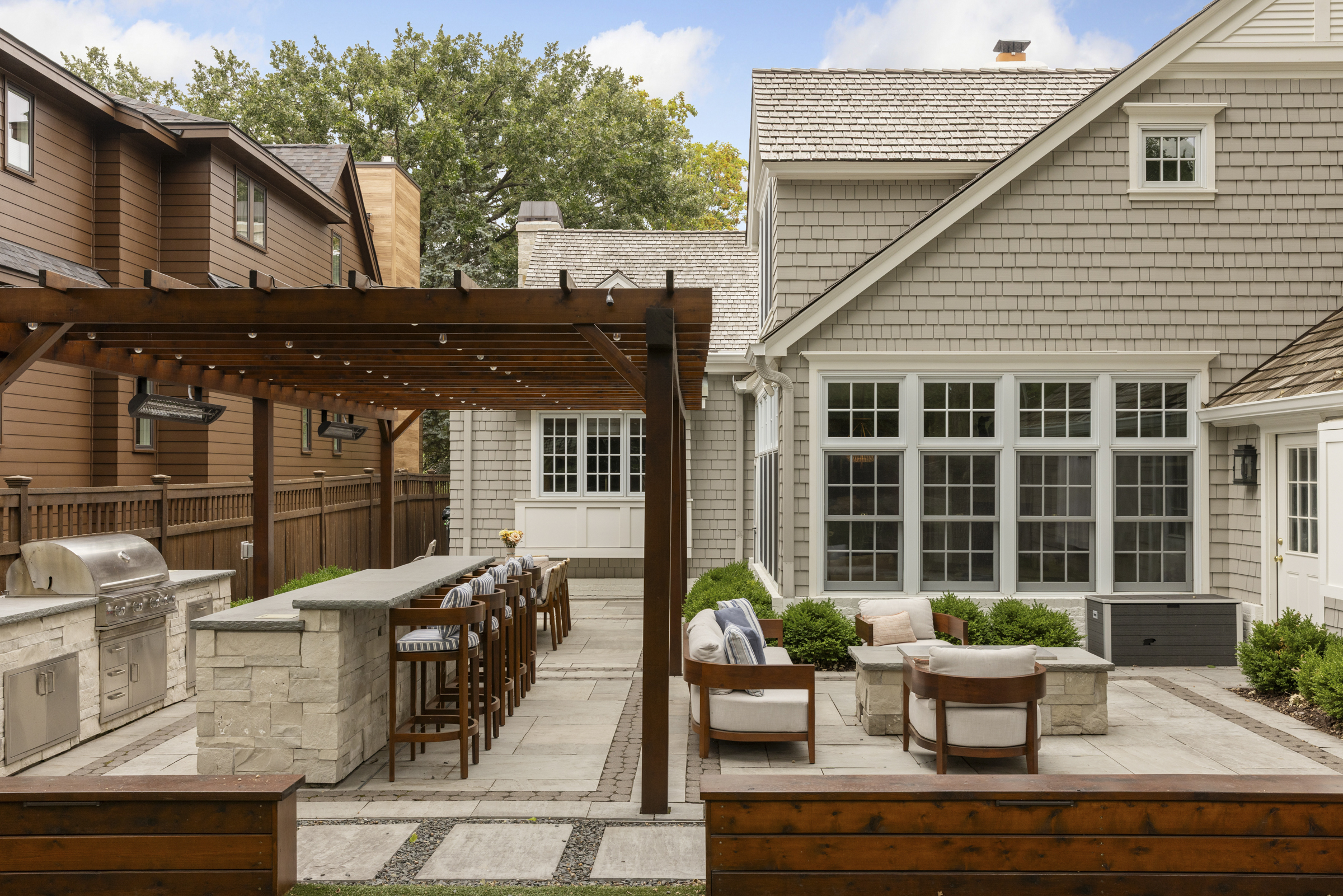
What It Actually Takes to Move a Wall
Moving a wall sounds simple, and in the best remodels it ends up looking simple. Behind that simplicity, however, is a sequence of careful judgments that separates a remodel that feels inevitable from one that feels improvised. The first question is always structural: what is this wall doing? Some walls divide space and nothing more. Others carry the weight of the floor or roof above, and removing them requires a thoughtful structural plan, often a beam sized and placed so that the opening feels natural rather than engineered. A good remodeler reads a house the way a physician reads an X-ray, looking past the surface to understand how the whole system holds together.
The second question is mechanical. Walls hide things. Ductwork, plumbing stacks, electrical runs, and sometimes all three share the same narrow space, and relocating them takes planning, coordination, and trades who know how to work together. A remodel that ignores this reality tends to announce itself later, in a soffit that appears for no reason, a vent that lands awkwardly, a floor that no longer meets the way it should. A remodel that respects it disappears into the architecture, so completely that visitors can’t tell which parts of the house are original and which are new.
The third question is the one that no drawing can answer on its own: what will the room feel like once the wall is gone? Light moves differently. Sound travels differently. Sightlines open, and with them come decisions about where the eye should land. Proportion, ceiling height, and the way one space leads into the next all begin to matter in ways they didn’t before. This is the part of remodeling that is closer to editing than to construction, and it’s where experience matters most. Revision approaches every wall as an edit, knowing that what remains on the page is as important as what has been taken away.
Where a Remodel Delivers the Most
Not every part of a house is equally worth remodeling. Across the homes Revision by Stonewood works in, certain spaces consistently deliver the biggest return in daily life, and they tend to be the ones families describe first when they explain why they’ve started thinking about moving.
The Kitchen That Becomes the Center of the House
Few rooms carry as much of a family’s daily life as the kitchen. Opening it to the rooms around it, rethinking how people move through it, and giving it the proportions it deserves can change how an entire household spends its evenings.
The Entry That Finally Handles Real Life
A well-planned mudroom or entry sequence absorbs the daily chaos of coats, shoes, bags, and sports gear before it reaches the rest of the house. It is one of the most underrated remodels in a family home, and one of the most appreciated.
The Primary Suite That Feels Like a Retreat
Older homes often treat the primary bedroom as an afterthought. A thoughtful remodel can reshape the suite with real closets, a bathroom worthy of the room, and a sense of separation that gives the day a quiet place to end.
The Lower Level That Finally Earns Its Square Footage
Basements and lower levels are often the largest untapped part of a home. Remodeled well, with proper light, ceiling height, and finish, they become guest suites, family rooms, or workspaces that feel like part of the house rather than a place beneath it.
The Addition That Looks Like It Was Always There
When a family truly needs more space, a carefully matched addition can provide it without disturbing the character of the home or the street it belongs to. Roofline, proportion, window rhythm, and trim all have to agree for the new space to feel original.
The Life Around the House
A house is never only a house. It is a location, a school district, a commute, a church or a lake or a park within walking distance. It is a set of relationships with the people next door and the people across the street. It is the particular tree a child learned to climb, the corner where the school bus stops, the diner that knows a family’s order. These things are almost impossible to price, which is exactly why they tend to be left out of the spreadsheet when families weigh a move against a remodel.
They shouldn’t be. For most families, the life around the house is the most valuable part of where they live, and it is the one part a remodel never asks them to give up. A remodel changes the walls and leaves the world intact. Children keep their friends. Neighbors keep their neighbors. A family that has spent years becoming part of a community gets to remain part of it, in a home that finally supports the life they’ve built there.
That continuity is a quiet kind of luxury, and it is one of the reasons so many Revision clients describe their remodel not as a renovation but as a relief. The house stopped being the thing they were working around and became, at last, the thing that works for them.
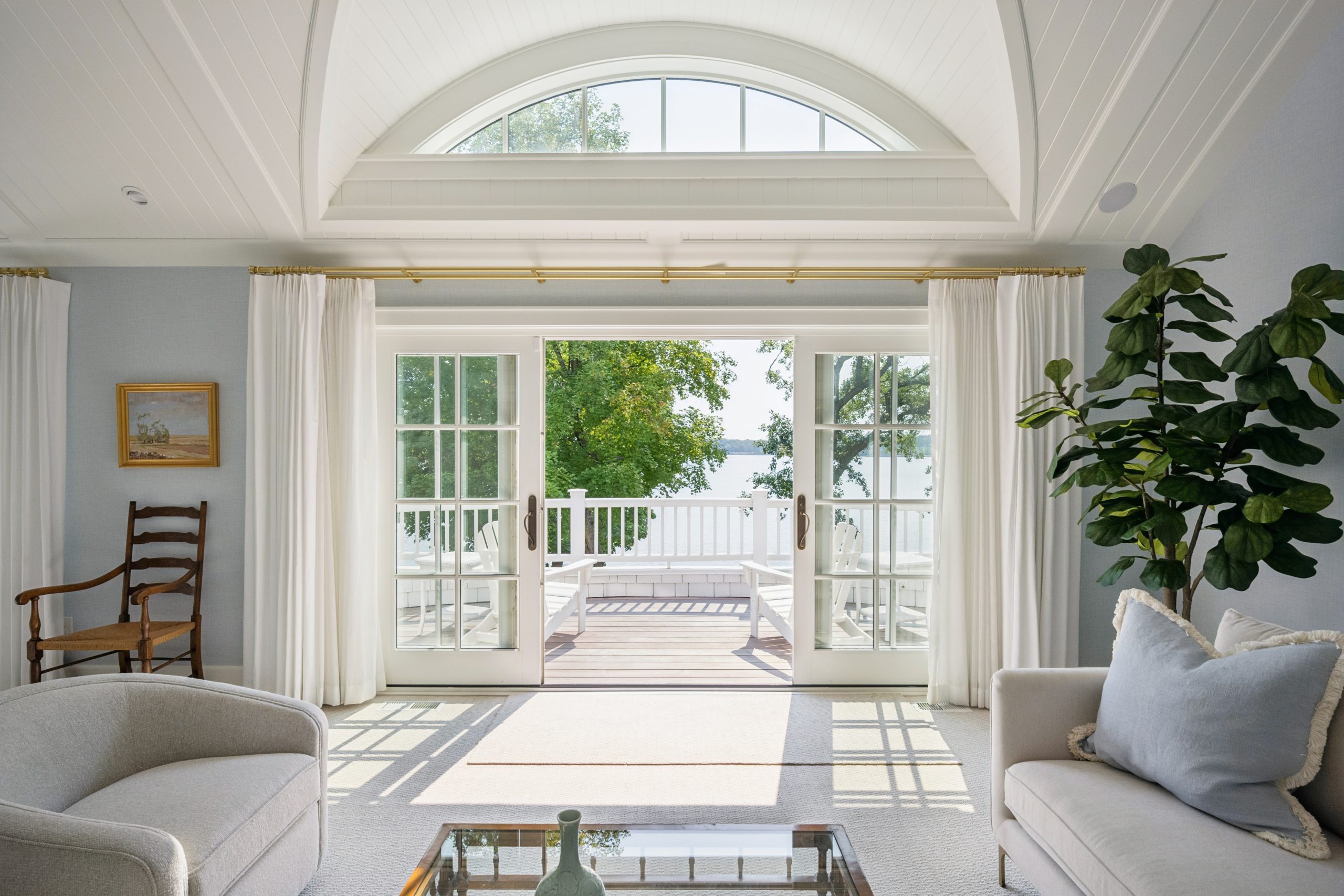
Why the Remodeler You Choose Matters
If the case for remodeling over moving rests on trust, then the choice of remodeler is the most consequential part of the decision. A remodel is not a product. It is a long collaboration between a family and a team who will be inside their home, making decisions that affect how it looks, feels, and functions for decades. The difference between a remodel that feels effortless and one that feels like a compromise almost always comes down to the people doing the work.
That is why Revision operates inside the Stonewood family of companies, a Minnesota builder with a long tradition of craftsmanship and a reputation for building homes that are meant to last. The relationship matters because remodeling and building are two sides of the same discipline. A team that understands how a house is constructed from the foundation up is far better equipped to know how to change one without compromising it. Revision by Stonewood brings that depth to every remodel, from the first conversation about how a family lives to the final walkthrough, where the details that matter most are checked one by one.
It also means that the process is built around the way families actually experience a remodel. Clear communication. Honest timelines. A team that treats a home as a home, not as a job site. And a commitment to the quality of the finished work that doesn’t waver when the budget gets tight or the schedule gets tested. These aren’t marketing claims. They are the habits of a remodeling company that expects its clients to live with the results for the rest of their time in the house.
A Different Way to Measure a Remodel
It may be time for the remodeling conversation to shift. Not because moving is ever a mistake, and not because staying put is always the answer. But because the measure that matters most, the one a family will feel on an ordinary Tuesday evening ten years from now, has little to do with how impressive a house looks in a before-and-after photograph. It has to do with whether the remodel solved the real problem, whether the home now fits the family inside it, and whether the life around that home remained intact.
That is the standard Revision holds itself to. It’s why the firm spends so much time, at the start of every project, asking questions that have nothing to do with finishes: where the day begins and ends, which rooms the family gravitates toward and which they avoid, what they would never want to change, and what they’ve been quietly putting up with for years. And it’s why Revision by Stonewood is perfectly comfortable telling a family, when the situation calls for it, that the better answer is a remodel they hadn’t considered, rather than a move they were about to make.
- Is it the house that isn’t working, or is it a specific room, hallway, or floor plan that could be remodeled
- What do we love about our neighborhood, our school, and our community that we would have to give up to move
- What would the full cost of moving be, once agent fees, closing costs, and a new set of updates are included
- Which walls, doorways, and sightlines are making daily life harder than it needs to be
- Has a remodeling company walked through our home and told us honestly what is possible
- Can we visit a remodel completed years ago to see how it has aged and how the family lives in it today
A home is one of the largest and most personal investments a family will ever make, and the decision to stay or go deserves to be made with real information, not just the heat of frustration. Sometimes the answer is to move. But more often than people expect, the answer is to stay, and to let a thoughtful remodel turn the house they already love into the one they’ve been looking for.
Move walls, not families. It’s a simple phrase, and a quietly demanding standard. It’s also, in Revision’s experience, the surest path to a home a family never wants to leave.
Ready to Remodel the Home You Already Love?
Every Revision project begins with an honest conversation about how your family really lives, and what a remodel could change without taking anything away. If you’re weighing a move or exploring a remodel anywhere in the Twin Cities, we would welcome the chance to walk your home and share what the Revision by Stonewood process looks like from the inside.
Let’s move the walls, and keep your family exactly where it belongs.