

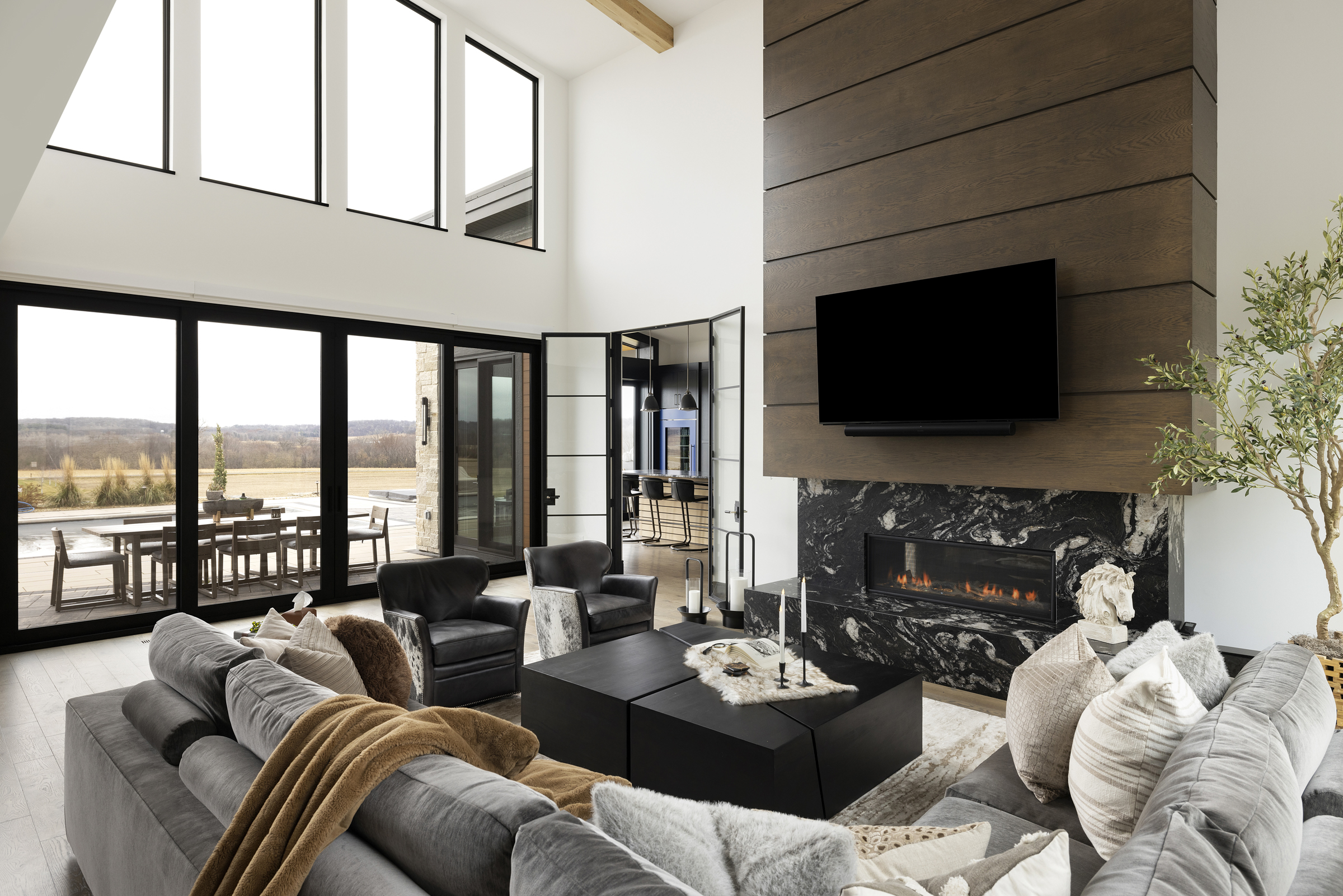
Homes Worth Handing Down
Building with Enough Substance, Beauty, and Discipline That the Next Generation Still Calls It Home
Waterproofing. Framing. Mechanical systems. Drainage. Insulation. Stair geometry. Window placement. Rooflines. Cabinet reveals. The way a room receives morning light in February. These are not the details that make it into the portfolio. They are the details that make a home last.
Because a home is not just a collection of beautiful rooms. It is a long-term decision. It is where children grow up, where holidays repeat themselves, where ordinary Tuesdays become the texture of a family’s life. It holds birthday candles, muddy boots, lake towels, late dinners, quiet mornings, aging parents, college returns, grandkids, dogs, disagreements, celebrations, and all the small rituals no one thinks to write down until years later.
That kind of home deserves more than trend-aware design and expensive finishes. It deserves judgment. And judgment is exactly what separates a home built for a photograph from a home built for a life.
Stonewood, based in Wayzata on the shores of Lake Minnetonka, has spent years building homes around this philosophy. Not the biggest. Not the loudest. The ones that hold up, structurally, aesthetically, and emotionally, long after the first owner has settled in and long after the second generation has claimed it as their own.
The House Has to Last Longer Than the Mood Board
Every era has its look. There is always a tile everyone wants, a wood tone everyone is using, a cabinet profile that suddenly appears everywhere, a light fixture that makes a room feel current for about eighteen months. Social media accelerates this cycle. What feels visionary in spring can feel dated by fall.
Some trends are harmless. Some are beautiful. Some become classics. But a custom home cannot be built around the mood of the moment. The timeline of a custom home is not eighteen months. It is eighteen years, then another eighteen after that.
The real question is not, “Does this feel fresh right now?” The better question is: “Will this still feel right when the house has a little history in it?” That does not mean boring. It does not mean safe. It does not mean stripping personality out of the home. It means knowing the difference between character and novelty.
Character deepens over time. Novelty expires. A home worth handing down needs materials that age honestly, proportions that feel calm, details that make sense, and a point of view strong enough to outlast whatever the algorithm is pushing this year. Stonewood builds from that conviction on every project, whether it is a contemporary lakefront home in Orono or a transitional residence in Wayzata.
The Discipline of Restraint
There is a temptation in custom building to make every room special. A statement kitchen. A statement stair. A statement fireplace. A statement powder bath. A statement ceiling. A statement light fixture. The budget allows it, the client wants it, and the photographer will love it.
But if everything is speaking loudly, nothing feels composed. The best homes have restraint. They know when to let the lake be the focal point. They know when the architecture should lead. They know when the cabinetry should disappear. They know when a detail should be felt more than noticed. This is one of the hardest parts of building well: deciding what not to do. Not because the budget cannot allow it, but because the house will be better without it.
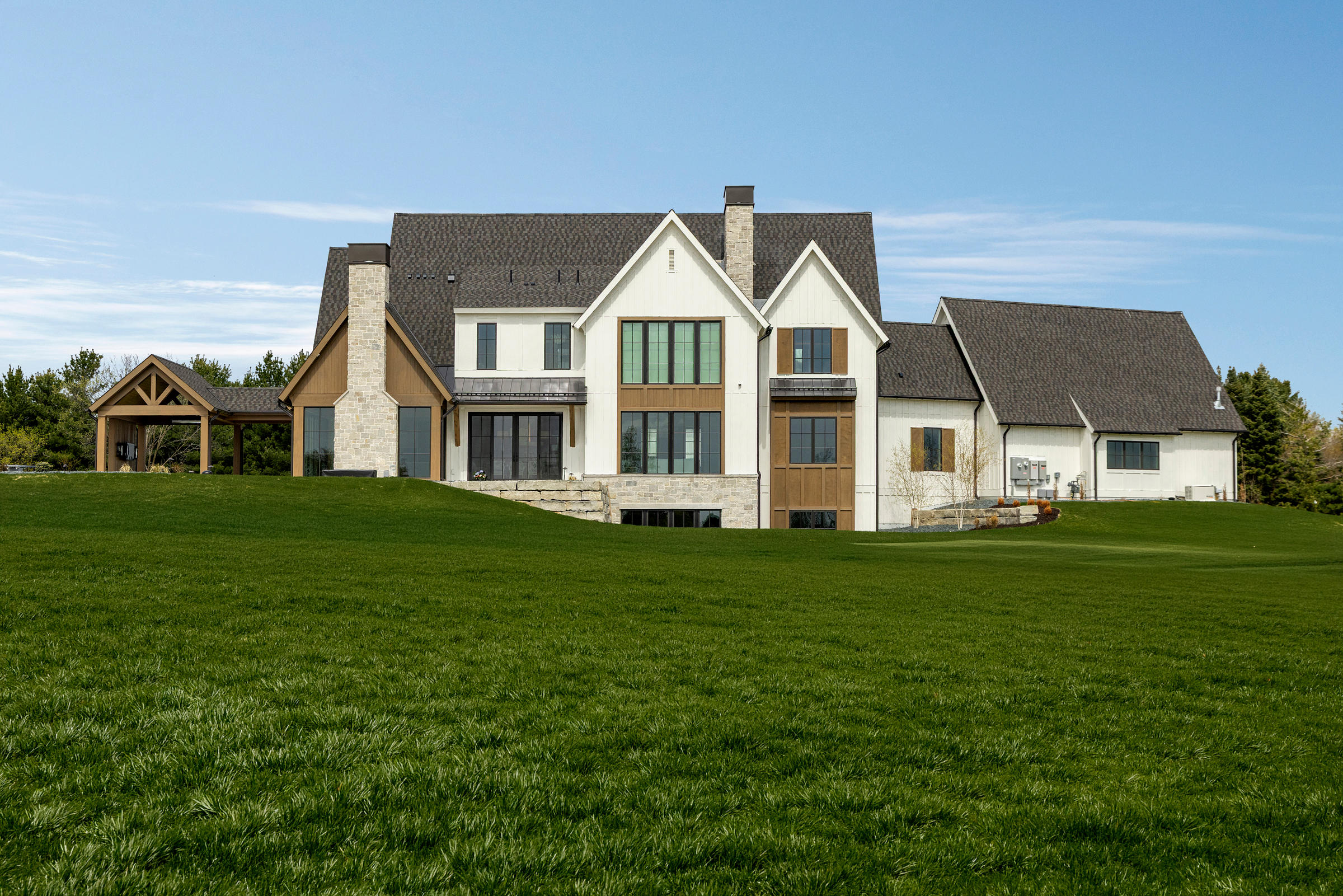
Luxury Is Not the Loud Part
The most luxurious homes rarely announce themselves all at once. They reveal themselves slowly. You notice things over time, not in one sweep of the eye, but in daily encounters that keep rewarding attention.
The door swings with weight. The stair feels right underfoot. The kitchen works without explanation. The mudroom absorbs real life. The windows are placed for the view, but also for the season, the glare, the privacy, and the way the room will actually be used. The trim lines up. The stone feels native to the site. The transitions are quiet. The mechanical systems do their job without becoming part of the conversation.
- Doors that swing with weight and close without a sound
- Stairs that feel right underfoot, geometry that never asks for your attention
- Kitchens that work without explanation, designed for how a family actually cooks
- Mudrooms that absorb real life, season after season
- Windows placed for the view, the season, the glare, and the privacy simultaneously
- Stone that feels native to the site, not dropped in from a showroom
- Mechanical systems that do their job without ever becoming part of the conversation
That is the quiet kind of luxury. Not “look what we spent.” More like: “of course it was done this way.” That feeling does not happen by accident. It comes from thousands of decisions made by people who care before anyone is applauding. A great custom home is mostly built out of invisible discipline.
The Site Gets a Vote
On Lake Minnetonka, and across the western suburbs, the best homes understand where they are. The lake matters. The trees matter. The slope matters. The driveway approach matters. The western sun matters. The neighbor’s sightline matters. So does the way snow piles in February and the way people move from the dock to the kitchen in July.
A home that ignores its site will always feel imposed. It will feel like a building that could have been placed anywhere, dropped onto the lot by coincidence rather than intention. A home that listens to its site feels settled from the beginning, as if it had always been there, as if the land had been waiting for it.
That is why the earliest decisions are often the most important. Orientation. Massing. Grade. Views. Entry sequence. Outdoor rooms. Ceiling heights. Window rhythm. These are not decorative choices. They are the bones of the house. Get them right, and everything that follows has a kind of inevitability. Get them wrong, and no amount of beautiful finish work can fully save it.
Reading the Land Before Drawing the Plans
Stonewood’s approach to every Lake Minnetonka site begins long before architectural drawings exist. The team studies how the land moves, where water flows, how the sun tracks across the property through Minnesota’s four dramatically different seasons. They look at mature trees not as obstacles but as assets. They study neighbor relationships, entry experiences, and the way a family will actually move through the property: from car to door, from door to dock, from kitchen to outdoor kitchen.
This is not a checklist process. It is a form of listening. And it shapes every decision that follows, from the placement of the foundation to the orientation of the master bedroom to the position of the outdoor fireplace. The homes that result feel as if they grew from the site rather than being placed upon it. That distinction is visible. It endures for generations.
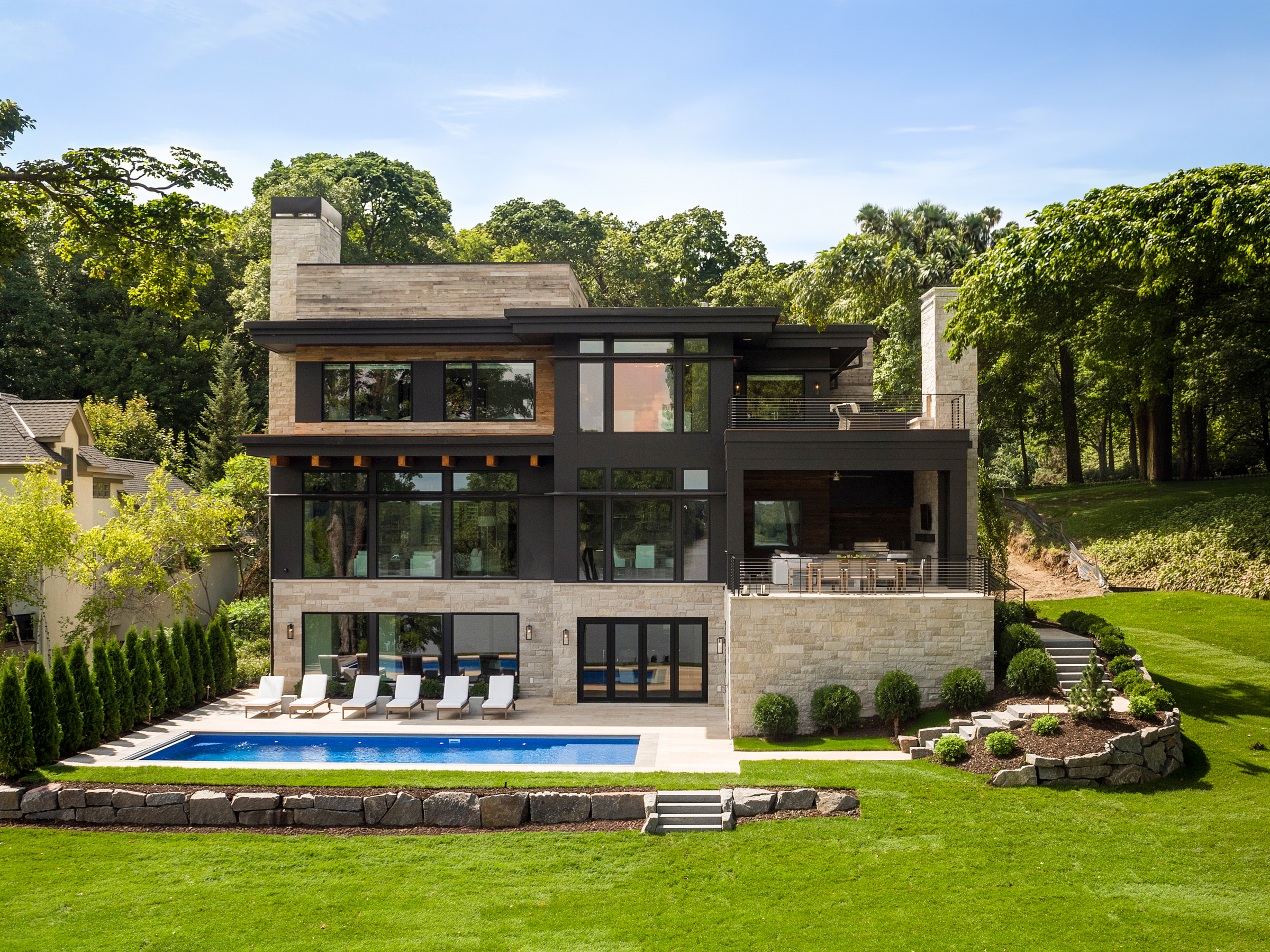
Craft Is a Long-Term Courtesy
Craftsmanship is often talked about like a luxury feature, something reserved for the highest budget tier, an upgrade to be unlocked. It is more than that. Craft is courtesy extended into the future. It is the builder saying: we cared enough that the next person does not have to fix this. We thought through the detail. We protected the structure. We chose the better method. We solved the problem behind the wall, not just the one in the photograph.
A well-built home spares its owners from countless small frustrations across decades of living. Doors that don’t quite close. Floors that feel wrong underfoot. Water that finds its way in. Rooms that never sit at the right temperature. Built-ins that almost align. Stone that looks good but fails early. Details that seemed minor until they became daily annoyances that no renovation budget can fully undo.
- Doors that don’t quite close, the small frustration that becomes a daily reminder
- Floors that feel wrong underfoot, deflection, squeaks, and inconsistencies that no area rug can hide
- Water infiltration, the costliest problem in any home, almost always preventable at the build stage
- Rooms that never reach the right temperature, a mechanical and insulation failure compounding every season
- Built-ins that almost align, the reveal that is never quite right, noticed every time
- Stone that looks good but fails early, a material selection problem, not a maintenance problem
- Details that seemed minor until they became permanent annoyances
Good building reduces future regret. That may not be flashy. But it is profoundly valuable. It is exactly what separates a home worth handing down from one that will require costly renovation before the second generation can comfortably occupy it.
Built for the Family That Stays
The best custom homes are not designed around resale. They are designed around belonging. They should fit the way a family lives now, while leaving room for the way life changes. Kids grow. Parents age. Work shifts. Traditions form. The house needs to hold more than a current lifestyle. It needs to hold a future.
That takes patience at the beginning. It takes a builder willing to slow down before the design is locked, to ask questions that go deeper than square footage and style. Not just how many bedrooms, how many garage stalls, what aesthetic, what budget. But the questions that actually shape a better house than any inspiration image can.
The Questions That Shape a Better House
Before a single drawing is produced, Stonewood works to understand how a family actually lives, and how they want to live. These conversations change everything.
- Where does the family actually gather? The answer is rarely the formal living room.
- What parts of the day feel chaotic? Mornings, arrivals, homework hours, the friction points the floor plan can solve.
- What should the house make easier? Entertaining, working from home, aging in place, seasonal transitions.
- What view matters most? Not every view is the lake. Sometimes it is the backyard in October.
- What do you never want to compromise on? The non-negotiables that the budget must protect.
- What would make this home still feel right twenty years from now? The question that separates a house from a home.
Those answers shape a better house than any inspiration image can. They produce spaces that fit a family rather than spaces a family has to adapt to. And they produce homes that hold up across the decades, not because they were frozen in time, but because they were designed with time in mind.
Stonewood builds around this process. Every project on Lake Minnetonka begins here, before the architect draws a single line.
Why Stonewood Builds This Way
Stonewood’s position as a premier Lake Minnetonka builder is not accidental. It is the result of deliberate focus, accumulated expertise, and a philosophy that aligns perfectly with what generational homebuilding demands.
- Waterfront Specialization: Stonewood has built specific expertise on Lake Minnetonka properties, soil conditions, water tables, DNR requirements, shoreline integration, and the seasonal dynamics that make lakefront construction categorically different from inland work.
- Site-Specific Engineering: Every property receives customized engineering solutions. Stonewood works with specialists in waterfront construction, ensuring foundations and structural systems are optimized for each unique site rather than adapted from generic solutions.
- Material Science: Lakefront homes face humidity, UV exposure, freeze-thaw cycling, and proximity to water that inland homes never encounter. Stonewood’s material selections reflect years of watching how products actually perform in these conditions, not just how they look on day one.
- Architectural Collaboration: Rather than limiting clients to a house style, Stonewood helps homeowners find the right design partners and then executes those visions with precision that respects both design intent and construction reality.
- Environmental Stewardship: Stonewood approaches lake health as a core value, not a regulatory burden, implementing erosion control, runoff management, and vegetation preservation strategies that protect Lake Minnetonka for the generations who will inherit these homes.
- Trade Partner Excellence: The craftspeople Stonewood works with understand waterfront construction at a level that general contractors cannot replicate. This network is assembled over years and it shows in every finished home.
- Long-Term Thinking: Every material selection, structural decision, and systems choice is made with the question: how will this perform in twenty years? Short-term cost optimization has no place in a home worth handing down.
- Lifestyle Understanding: Having built numerous Lake Minnetonka homes, Stonewood understands how families actually use these properties, from boat storage and dock integration to outdoor kitchens designed for Minnesota’s shoulder seasons.
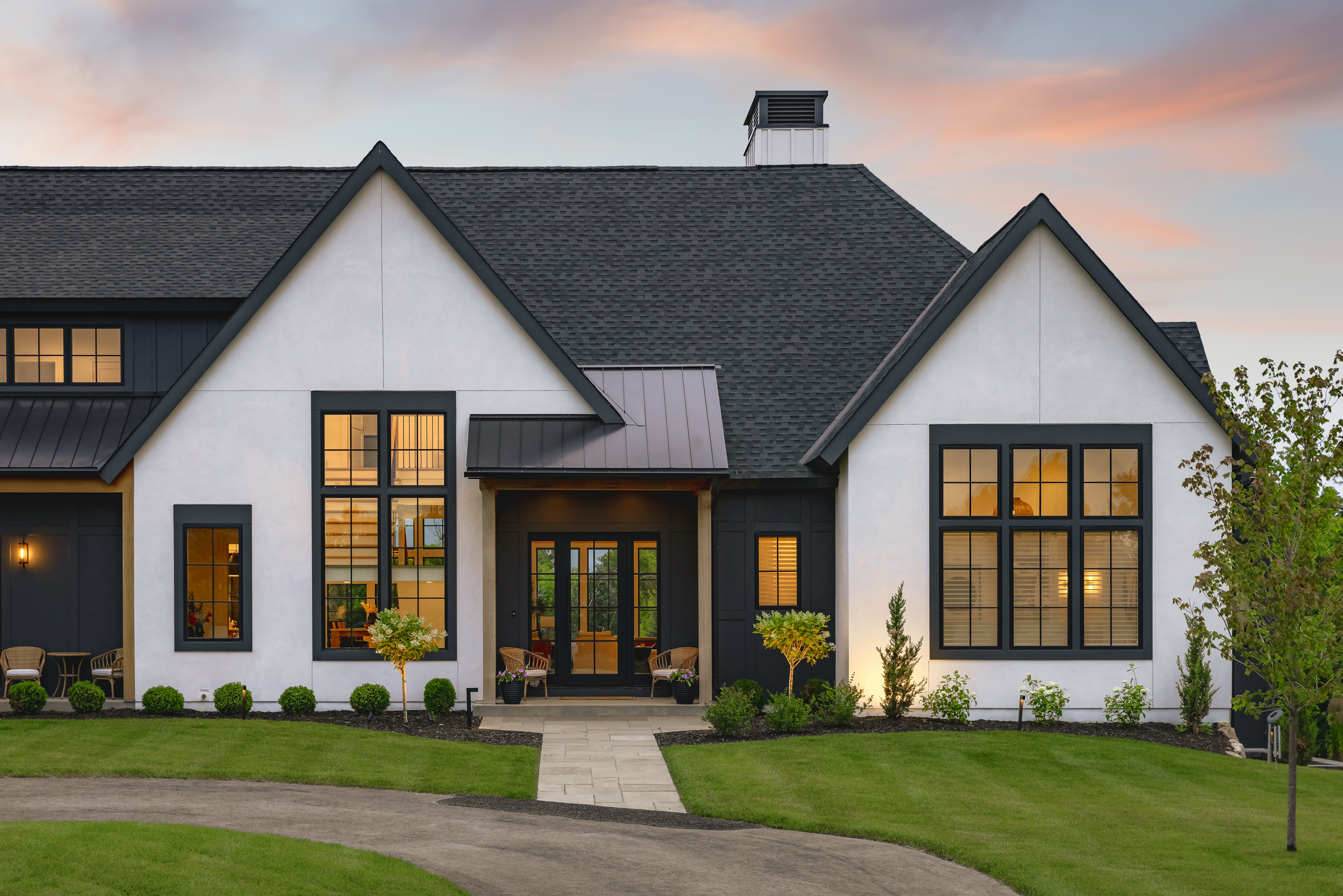
The Standard Is Time
A Stonewood home should be beautiful on the day the owners move in. That is expected. Every builder promises that. The higher standard, the one that actually separates great building from good building, is what happens after that.
How does it feel after the first winter? After the landscaping matures? After the walls have family photos? After the first holiday meal? After the kids learn every hiding place? After ten years of ordinary life? That is when a home tells the truth about how it was built. That is when invisible discipline either reveals itself as wisdom or exposes itself as shortcuts.
Stonewood builds to that standard. Not because it is required. Because it is right. Because these homes are not transactions. They are anchors for family memories, gathering places for generations, and investments that appreciate both financially and emotionally over time. Stonewood’s Lake Minnetonka homes function beautifully across Minnesota’s dramatic seasons. They integrate with their sites. They become the places families return to, year after year, generation after generation.
- After the first winter, does the envelope hold? Do the systems perform? Does the home feel as well-considered as it did in August?
- After the landscaping matures, does the site feel intentional, or does it feel like the plantings are fighting the architecture?
- After the walls have family photos, does the home feel like it belongs to this family, or like they are guests in a showroom?
- After the first holiday meal, does the kitchen actually work for twelve people? Does the flow make sense when the house is full?
- After ten years of ordinary life, does the home still make sense? Does it still feel worth everything it cost?
The goal is not simply to finish a project. The goal is to create a home with enough substance, beauty, and discipline that someday, when the next generation walks through it, the house still makes sense. Not because it was frozen in time. Because it was built with time in mind. That is the difference between a house and a home worth handing down.
For Families Ready to Build That Home
If you are planning to build on Lake Minnetonka, or anywhere across Minnesota’s western suburbs, the builder you choose will determine whether your project produces a home that belongs to your family for generations or one that requires reinvention before the second generation arrives.
The homes worth handing down are not built by accident. They are built by builders who ask better questions at the start, who choose materials for how they perform in twenty years rather than how they photograph today, who treat craft as a long-term courtesy to future owners, and who understand that the real measure of their work will not be visible on the day of delivery.
Stonewood brings this philosophy to every project on Lake Minnetonka. Not because it is a marketing position. Because it is the only way to build a home that genuinely deserves to be passed down. The expertise, the trade partner network, the site-reading discipline, the environmental stewardship, the material science, all of it exists in service of one goal: creating homes with enough substance and integrity that the next generation still feels them as home.
It is not a style. It is not a budget. It is a builder who understands that the real client is not just the person signing the contract today, it is the family who will live there in twenty years. Stonewood builds for both. That is what makes the difference. That is what makes a home worth handing down.
When you are ready to build that home, Stonewood is ready to build it with you.
Build a Home Worth Handing Down with Stonewood
If you are ready to build on Lake Minnetonka, let’s begin with the right questions. Stonewood specializes in creating homes that hold up beautifully across decades, homes with enough substance, craft, and integrity that the next generation still calls them home. Our approach combines specialized waterfront expertise with a genuine commitment to building for the long term.
Discover what Stonewood can build for your family, and for the family that comes after.